From an unexpected move into AI to a tax surprise for student loan borrowers and a major Wall Street exit, here’s what’s shifting the money conversation this week.
By Kimberly Wilson
Essence
https://www.essence.com/
Welcome to Black Wealth Watch, where we round up the biggest stories in Black business and economic news each week — the wins, the setbacks, the deals getting done, and the conversations we should be having about money, power, and who actually gets a seat at the table.
This week we saw one of our favorite comedians quietly tap into the AI boom (in the best way possible), a tax change that could blindside student loan borrowers who thought they were in the clear, a high-profile DEI departure on Wall Street, and a legendary artist’s estate finally getting accountability from the highest office in the land. Let’s get into it.
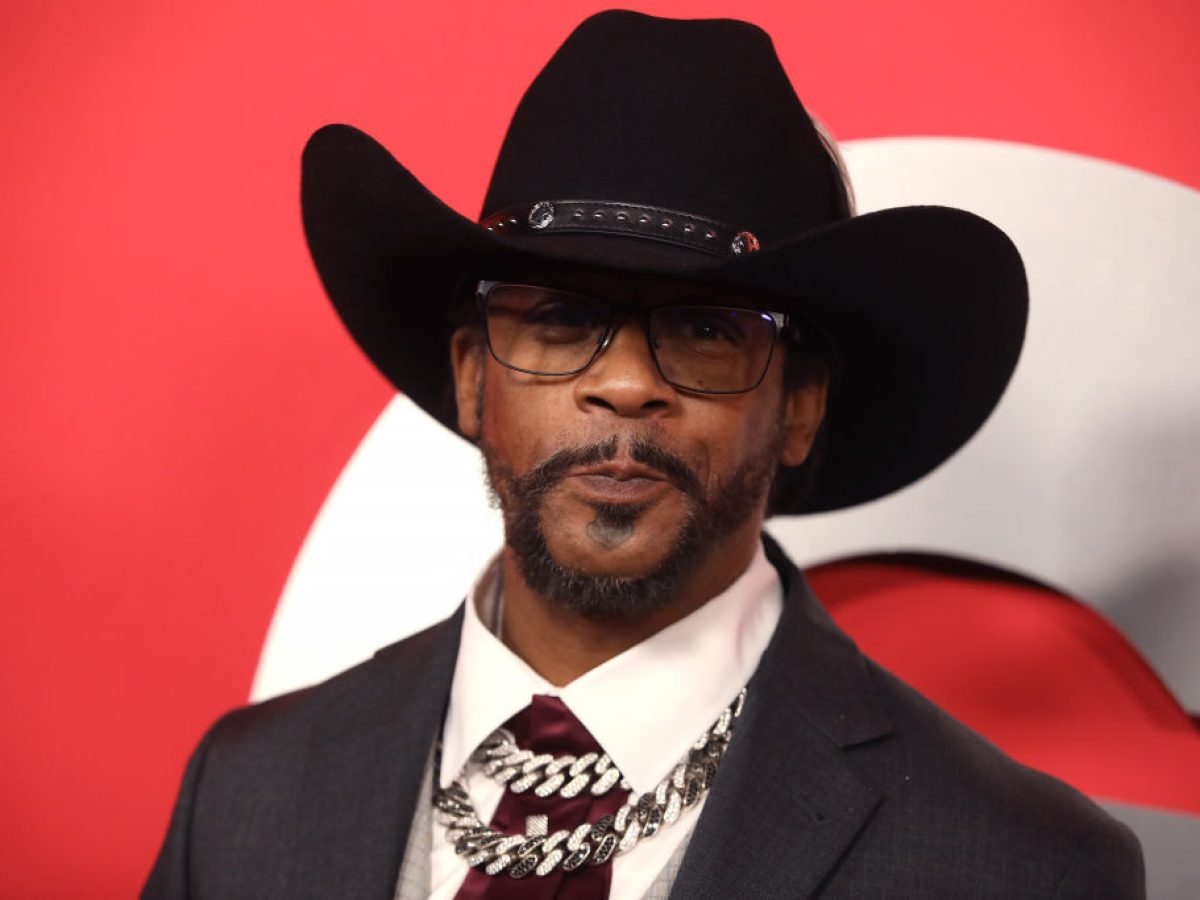
Katt Williams Is Making Sure Black Students Don’t Get Left Behind in the AI Era
One thing about Katt Williams, he might tell you a joke, but he’ll never tell you a lie. The comedian has partnered with Miles College, a historically Black institution in Fairfield, Alabama, to launch a scholarship fund for students pursuing careers in artificial intelligence and augmented reality. The initiative runs through his production company, Kemet Movie Works, which is developing a full production campus at the former Fort McClellan military base in Anniston, complete with two sound stages built for virtual production and CGI work. The goal is to create a direct pipeline from HBCU education into an industry that has historically closed its doors to Black talent. “There are a lot of jobs right now that in five years won’t be in existence because of AR and AI,” said Miles College president Bobbie Knight of the partnership. And Williams obviously agreed, “We had to go to another foreign country and give them millions of dollars,” he said. “Instead of that, we have the ability to create all of that using qualified people of color.”
Your Student Loan Forgiveness May Come With a Tax Bill
If you have been on an income-driven repayment plan for years counting down to forgiveness, there is something you need to know right now. The provision from the American Rescue Plan Act that made most student loan forgiveness tax-free at the federal level expired on December 31, 2025, and it was not extended thanks to President Trump. That means borrowers who receive IDR forgiveness in 2026 and beyond could owe federal income taxes on whatever balance gets wiped out, and with the average IDR loan balance sitting around $57,000, that tax bill can be substantial. Financial experts have been calling it a tax bomb, and that’s exactly what it sounds like. Public Service Loan Forgiveness is still tax-free, and borrowers whose forgiveness was delayed because of processing backlogs have some protections. But if forgiveness is on your horizon this year, talk to a tax professional before it happens, not after.
Goldman Sachs’ Chief Diversity Officer Is Out
Megan Hogan, who served as Goldman Sachs’ chief diversity officer and spent nearly 12 years at the firm, has left for a talent development role at Morgan Stanley starting this spring. Her departure follows Goldman quietly dismantling the public-facing diversity commitments it once championed loudly, including a board diversity requirement that CEO David Solomon had made a centerpiece of the bank’s social impact image and a $25 million HBCU investment pledge that helped build its reputation as one of the more progressive banks on Wall Street. Her successor’s title has no mention of diversity anywhere in it, which is the most interesting part of it all (I mean, how are you going to have a diversity officer, who doesn’t work on corporate diversity?). Hogan launched Goldman’s HBCU summit in 2017, well before that was something corporations were doing for optics, and spent years building real entry points for Black professionals at one of the most powerful banks in the world. The message from Goldman is pretty clear at this point: they do not give a damn.
The Hayes Family Got Their Settlement
In the words of the great Robyn Rihanna Fenty, the estate of the late Isaac Hayes can finally say to President Donald Trump, “b-tch better have my money!” because they’ve finally settled their copyright infringement lawsuit. The suit, originally filed in August 2024 in federal court in Atlanta, alleged that during the 2024 campaign they played the 1966 soul classic “Hold On, I’m Coming”, co-written by Hayes and David Porter and made famous by Sam & Dave, at least 133 times without permission. Trump’s team argued they had a BMI licensing agreement, but the Hayes estate said they revoked that permission after Trump started using the song at rallies back in 2020 and he kept playing it anyway. A federal judge agreed and issued an emergency injunction ordering the campaign to stop. The settlement terms were not disclosed, though the estate had originally sought $3 million in damages.