In our exclusive interview with Ryan, the celebrated author, political correspondent and veteran journalist, opens up about her highly anticipated literary release.
By Bridgette Bartlett Royall
Essence
https://www.essence.com/
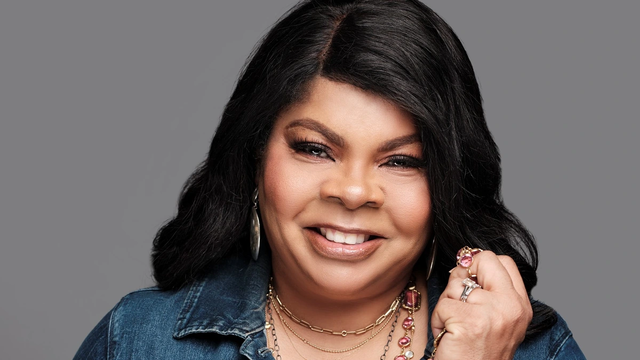
April Ryan knows a thing or two about going viral and making an impact. The Baltimore native has been covering the White House since 1997 across multiple U.S. presidential administrations, making her one of the longest-serving Black woman White House correspondents in history. Ryan, a graduate of Morgan State University, has also served as a CNN political analyst from2017–2023, before joining MSNBC as a political contributor. She was named National Association of Black Journalists (NABJ) Journalist of the Year in 2017.
Last week, the wife and mom released her latest literary work, Notes on a Blacklash: When a Black Woman Goes Viral. The memoir is already making waves in and out of political circles. We caught up with Ryan who is busy promoting her book and she enlightened us on ways that Rihanna and Nikole Hannah-Jones are connected, her thoughts on Black women and unemployment and how she was able to slow down long enough to finish this book.
ESSENCE: Congratulations! This book title is especially intriguing. Black women going viral, whether it is Nikole Hannah-Jones or Rihanna, definitely causes a stir. Why is this and what made you what to write about it now?
APRIL RYAN: Black women have always been the foundation of community, be it church, schoolhouse, and our own personal house, making us the backbone of this nation. We have been the architects of movements, the conscience of communities, the protectors of families, and the truth-tellers in rooms where the truth was not welcome. Yet our power is oftentimes public. When we go viral, when our voices become too loud to ignore, there is often a Blacklash.
Whether it’s Florida State lawmaker Angie Nixon with her bullhorn on the state house floor asking for accountability on racist redistricting, Nikole Hannah-Jones challenging the way America tells its history, Rihanna building a global empire on her own terms, or Congresswoman LaMonica McIver being threatened with 17 years of jail time for trying to assess conditions at an ICE Detention Center in Newark, New Jersey, Black women are constantly navigating the tension between being celebrated and being challenged, the Blacklash.
ESSENCE: How long did it take for you to complete this book?
RYAN: This book has been three decades in the making, covering the White House, witnessing the intersection of race, gender, politics, and power, and the brokenness of some of the systems. I’m thankful this book came out. It fought to be born. There was some hiccups along the way from start to finish. Those hiccups were really questioning what stories I should open up about and put in the book. However, the last year was where things really took off. I gave it my all, taking the veil off the mystery of what happens with the White House and the press.
ESSENCE: Exactly who or what inspired the title?
RYAN: Honestly, I was surprised the publisher liked the word Blacklash. I have been holding it for decades. I tried to use it on other books, but this was its time. The connection is naturally linked: when Black women become visible, outspoken, successful, or influential, the reaction can be swift and deeply personal. Sometimes the backlash is political. Sometimes it’s professional. Sometimes it’s amplified by social media, where one moment can turn into a global conversation. I wanted the title to capture that experience.
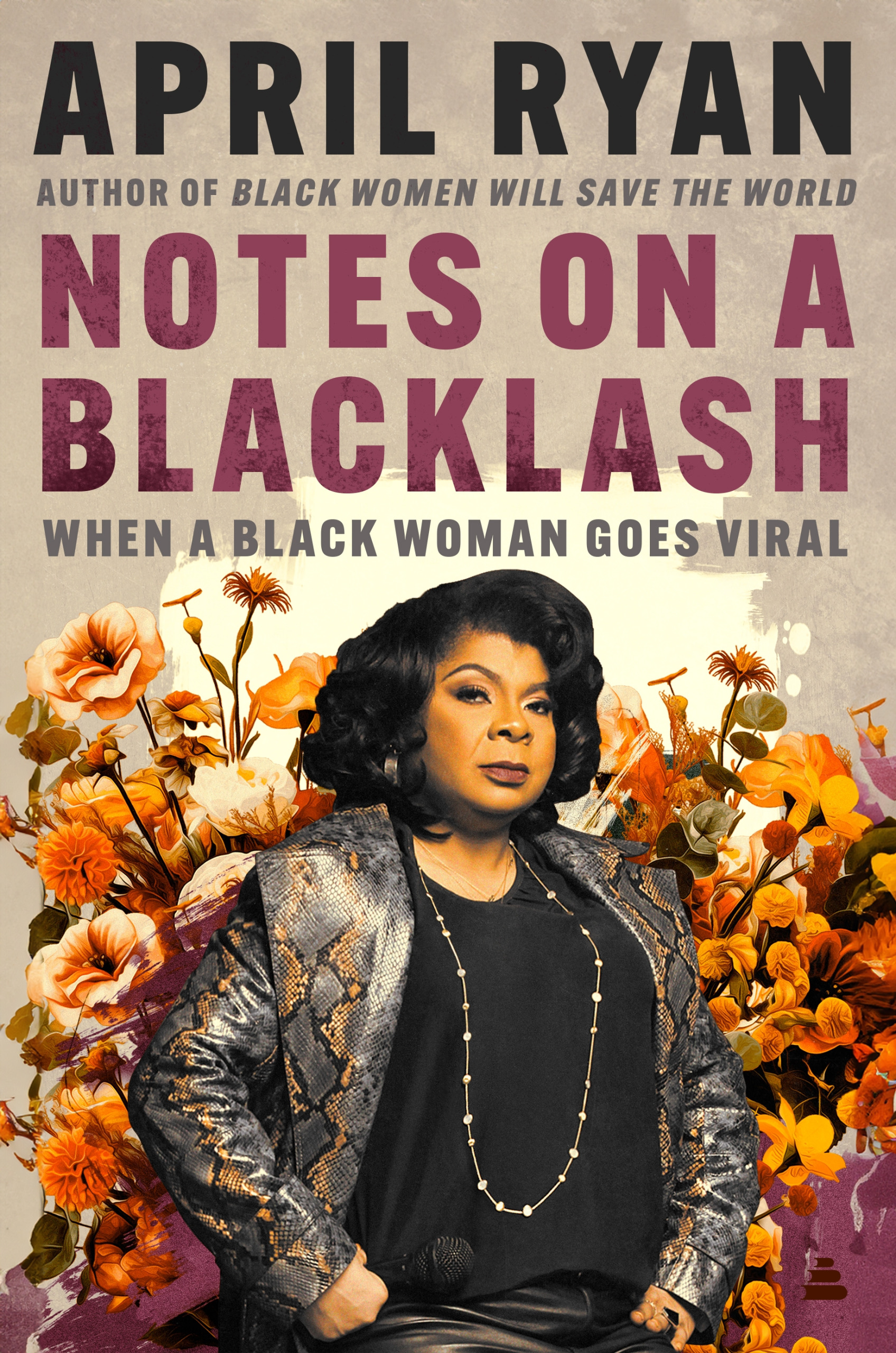
ESSENCE: The political landscape is equally exhausting and infuriating right now. Black women, are tired. How do you balance informing your audience of what they need to be aware of, without overwhelming them?
RYAN: Black women are tired, and we have every reason to be. Look at the fact that 600,000 jobs have been taken away, pushed educated Black women out of the federal workforce largely due to rollback of DEI policies. I believe people deserve the truth, even when the truth is uncomfortable. I also recognize that there is a difference between keeping people informed and leaving them emotionally exhausted. My responsibility is to provide context, not simply chaos. I don’t believe journalism should simply bombard people with one alarming headline after another. I also believe we must make room for joy. Black women deserve laughter. We deserve rest. We deserve love. We cannot spend every waking moment in survival mode. Rest is not surrender. Joy is not denial. And protecting your peace does not mean abandoning your purpose.
ESSENCE: How did you unplug from the madness of what is happening in the White House in order to find your creative source to write this book?
RYAN: I had to completely go blank. There were times that I rejected speaking opportunities so I could keep my mind clear to fully be able to see the facts of the story I needed to convey. I began working with plants and doing other mindless things to take me down from the daily grind of working the White House and doing a show to being able to function with clarity without writing blocks. It was not easy, for sure. Writing a book requires you to slow down long enough to reflect.
ESSENCE: What are you currently reading, and what are you looking forward to reading next?
RYAN: I’m currently reading Langston Hughes’s Blues and Stereo and Something We Said: Richard Pryor, a Notorious Word, and Me by Dr. Elizabeth Stordeur Pryor. And next, the trilogy by James Baldwin that was just re-released: Go Tell It On The Mountain, Giovanni‘s Room, and If Beale Street Could Talk.