In honor of Hispanic Heritage Month, ESSENCE sat down with seven Latinx beauty founders to find out why beauty brands continue to miss the mark.
By Desiree Johnson
Essence
https://www.essence.com/
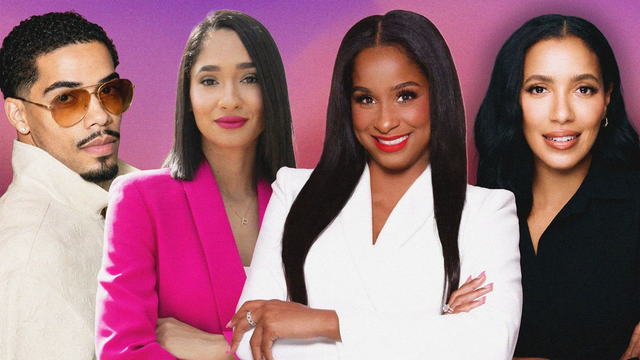
The picture of Latina beauty has never been limited to one signature look: Red lipstick, black eyeliner, and dramatic eyebrows. Yet, that image still shapes how Latinas are represented in a global beauty market projected to reach 375.62 billion dollars by the end of 2026. Despite Latina beauty spending being valued at $23 billion with a 6 percent year-over-year increase, brand visibility, investment, product development, and authentic cultural representation remain nearly invisible.
In the past decade, we’ve seen Latina-founded brands like Rizos Curls, Vive Cosmetics, and Luna Magic, gain traction with consumers, not only because of their products, but because their founders have remained at the forefront of their marketing, expanding the picture of Latina identity and community.
But, mainstream representations of Latinidad have historically centered a limited range of nationalities and phenotypes. The cultural impact of celebrities like Cardi B, Amara La Negra, and Dascha Polanco has helped bring visibility to a deeply important but often overlooked part of the Latino diaspora: Women who identify as both Black and Latina.
In honor of National Hispanic Heritage Month, we sat down with seven Latinx beauty founders spanning skincare, fragrance, cosmetics, and haircare to discuss where beauty brands continue to miss the mark with Latina consumers. And, their perspectives on including people whose skin tones, hair textures, and beauty rituals don’t fit neatly into one demographic box.
Who gets to “look Latina”?
Within Mabel Frías Dominican family alone, Latina beauty has never had just one face. “Women in my family range from blonde hair and blue eyes to chocolate,” says Frías, the entrepreneur behind Read Fragrances and former co-founder of Luna Magic. Her daughter, who is also African-American, is having an Afro-Latina experience different from her own. For Frías, that’s part of what makes broad conversations about “the Latina consumer” inherently complicated. Even within the same family, race, generation, culture, and lived experience can shape identity in different ways.
“I think people still picture a very specific type of Latina: tan skin, dark hair, certain features,” says Priscilla Jiminian, founder of Skinergy Beauty. “But Latina isn’t a skin tone. We can be Black, white, Indigenous, mixed, and everything in between.”
For Afro-Latinas in particular, those assumptions can create the feeling of existing between categories. Blackness and Latinidad aren’t mutually exclusive, despite often being treated that way. Afro-Latinidad encompasses people of African descent throughout Latin America and the Caribbean, with histories and experiences that vary just as widely across nationality, race, and geography. Jiminian says that complexity isn’t always reflected in beauty. “Afro-Latinas, especially, can be made to feel like they have to choose between one identity or another, or they are seen as Black or Latina, but not always both.”
Being Seen Isn’t the Same as Being Considered
For founders, the gap becomes especially obvious when representation stops at who appears in a campaign. Glamlite founder Gisselle Hernandez knows firsthand that sharing a Latina identity doesn’t mean sharing the same beauty needs, or even the same tastes.
“As a Black Latina, I know that being Latina doesn’t come with one face, one skin tone, or one definition of beauty,” she says. “I want someone with a deeper complexion to feel just as considered as someone with fair skin, from the products we develop to the people they see representing the brand.”
Across many Latino communities, colorism and anti-Black beauty standards have historically privileged proximity to whiteness while treating African features—darker complexions, broader noses, fuller lips, and tightly textured hair—as less desirable. “A Spanish phrase or familiar reference can be meaningful, but it can’t make up for a product that doesn’t work for your skin tone or never seeing someone who looks like you in the imagery,” Hernandez says.
For Jiminian, that difference became tangible through her own struggles with adult acne. The breakouts eventually disappeared; the hyperpigmentation they left on her melanated skin could remain for months or even years. After cycling through products that didn’t adequately address her concerns, she created Skinergy. “Two people can have the same breakout and end up with very different concerns afterward,” she says. “That’s the kind of thing I think about when I think about inclusive skincare.”
Hair tells a similar story.
OCOA Beauty co-founder Nicol Cancelmo grew up with the phrase pelo malo, or “bad hair,” a familiar term across parts of Latin America and the Caribbean that has long positioned straighter textures as more desirable. Latinas who grew up with curls, coils, and waves know all too well that texture is a problem to fix with a straightener or relaxer, not embrace or celebrate.
“Where you grew up and how hair was talked about in your household deeply impacts your relationship with your natural texture,” Cancelmo says. “Someone navigating their curl journey in the Dominican Republic might face different cultural pressures than a second-generation Latina in the U.S. navigating bicultural identity and hair assimilation.”
Solo Para Ti founder Pamela Ortiz experienced those pressures herself. Growing up Dominican-American, she remembers feeling like looking her best often meant straightening her naturally textured hair and worrying about how her hair, face, or body might be judged within her own community.
Representation Can’t Be Seasonal
Those differences aren’t limited to skin tone and hair texture. “There is no singular Latino relationship with scent,” says MATTEO PARFUMS founder Matthew Sánchez. “Someone raised in Puerto Rico can carry memories of humid ocean air, petrichor and tropical florals, fresh coffee with a dash of rum, and celebrations that will be completely different from someone raised in Los Angeles, Oaxaca, Bogotá, Buenos Aires, and Panama.”
A first-generation Afro-Mexican American with Mexican, Sicilian, Ghanaian, and African-American roots, Sánchez built his fragrance house around cultural fusion rather than attempting to create a singular scent “for Latinos.” “These identities do not produce one beauty ritual, one fragrance preference, or one definition of luxury,” he says.
The distinction in marketing is widely apparent during Hispanic Heritage Month, when brands and retailers suddenly have plenty to say to Latino consumers whose dollars drive sales. But the community’s overall needs have been largely ignored, except for the semi-regular viral post about the most recent ICE sweep or a trendy Bad Bunny song.
República Skin founder Julissa Bermudez, born in the Dominican Republic and raised in New York, says her heritage informs her brand year-round, from using ingredients like sugarcane to the stories behind the products. “Being Latina isn’t something I turn on for a campaign or during Hispanic Heritage Month,” Bermudez says. “It’s who I am 365 days a year.”
Hernandez shares that sentiment. “Our customers should feel just as valued in January as they do in September,” she says. “We don’t need a cultural occasion to belong in the picture.”
There Doesn’t Need to Be One Answer
Creating a more inclusive beauty industry doesn’t necessarily mean expecting every brand to speak to every Latina. Frías pushes back on that idea entirely. “I don’t think it’s fair for one brand to own that entire conversation,” she says.
Too many experiences and too many beauty needs make it impossible to expect one founder or product line to cover them all. A woman looking for products for hyperpigmentation doesn’t necessarily have the same needs as one searching for products for 4C hair. Two women with the same curl pattern may still have different porosity, routines, cultural experiences, and relationships with their hair.
Instead, Frías sees an opportunity to make room for more founders with distinct perspectives to build alongside one another. “I truly believe there’s enough for all of us,” she says. “I’m not in competition with people who look like me. I am in competition with myself.” Several of the founders point to the gap between recognizing Latino purchasing power and investing in the people creating products for those consumers.
“We want to see retailers and investors back Latina and Afro-Latina founders with real capital, prominent shelf placement, and long-term retail support,” Cancelmo says. “We deserve to be recognized not just as consumers to market to, but as innovators, founders, and leaders who are actively shaping the future of beauty.”
Bermudez agrees: “We shouldn’t have to go searching to find and support our own brands. We want to walk into major retailers and see them represented,” she says.
That’s where the beauty industry’s understanding of the “Latina consumer” needs to evolve next. No single campaign, product, or even one founder needs to represent millions of women. There was never one version of Latina beauty to begin with.