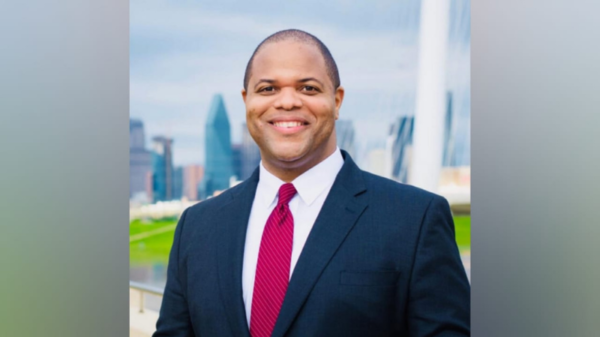
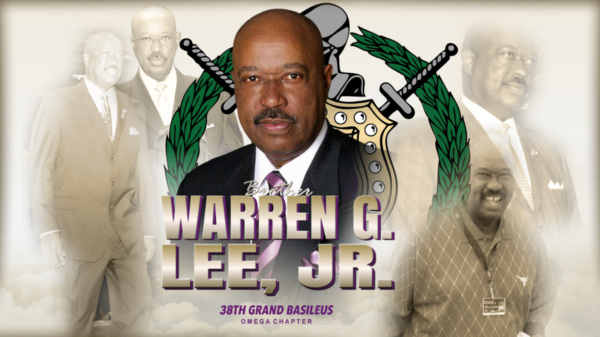
Ron Kirk, Tom Leppert and Mike Rawlings face five key questions as they campaign to change Dallas’ City Charter.
By Gromer Jeffers Jr.
Dallas Morning News
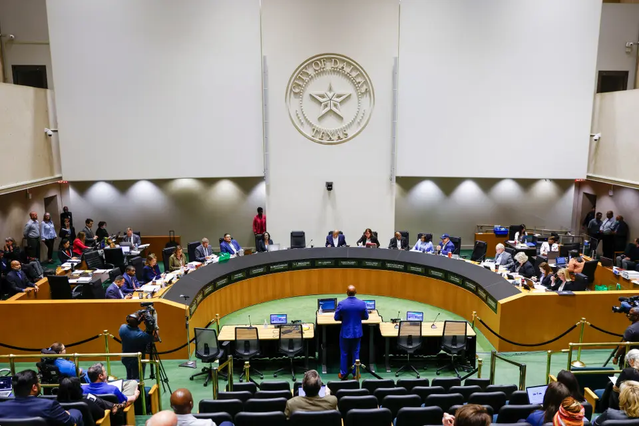
Three former Dallas mayors are preparing to ask voters to give future mayors more power. To succeed, they’ll have to dust off their own powers of persuasion.
Ron Kirk, Tom Leppert and Mike Rawlings were skilled at persuading a majority of council members to support their visions. Encouraging Dallas voters to change the City Charter and reshape how City Hall operates could be considerably harder.
Referendums are tricky, particularly in low-turnout elections where personalities can overshadow the proposals themselves.
The stakes are high. Supporters say a stronger mayor is essential to moving Dallas forward. With the 2027 mayoral election approaching, they argue that a more empowered mayor could attract a stronger field of candidates.
Here are five questions to consider as the campaign unfolds:
Does the plan go far enough?
The proposal would allow the mayor to hire the city manager and city attorney, subject to council approval. It would also give the mayor responsibility for developing the city budget and the power to veto individual spending items. But, the council could override a veto with a two-thirds vote.
Critics of city government, however, argue that Dallas’ current structure — 14 council members elected from single-member districts and a mayor elected at large — narrows the council’s focus. Council members are primarily responsible for addressing the needs of their individual districts.
Some activists and business leaders have long called for bolder changes, including adding more at-large council members or altering the size of the council.
The former mayors have avoided those proposals, perhaps strategically. Giving the mayor more authority is easier to explain and would avoid a much tougher fight with council members and neighborhood leaders who prefer the current system.
What impact will the “Save City Hall” movement have?
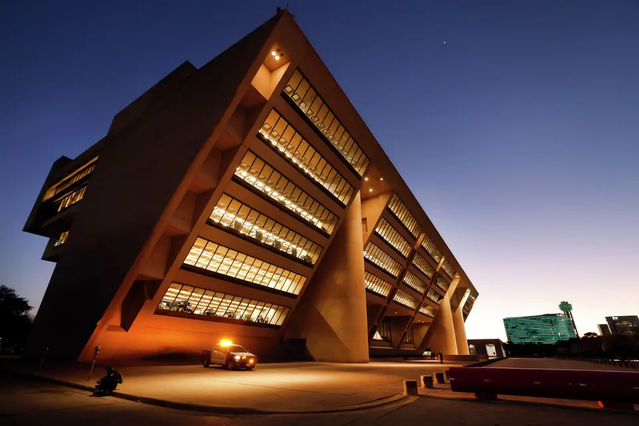
The push for a stronger mayor comes as city leaders and residents debate whether to move out of City Hall and what to do with the I.M. Pei-designed building.
The effort to save City Hall could gain momentum and compete for attention with the governance proposal. All three former mayors support moving out of the building, a position that could anger passionate advocates who want to repair it and stay put.
The former mayors will have to prevent the charter proposal from becoming entangled with — or overwhelmed by — the Save City Hall campaign.
Are the former mayors the right messengers?
In 2005, Laura Miller led a strong-mayor proposal that was overwhelmingly defeated. Opposition was particularly strong in southern Dallas, where Miller was unpopular in many Black precincts. The campaign became more of a referendum on Miller than on the proposal itself.

Kirk, Leppert and Rawlings have strong ties to Dallas’ business community. Opponents could portray them as wealthy insiders more concerned with business leaders than average residents.
The former mayors counter that a key goal of the proposal is to create a government capable of revitalizing southern Dallas and competing with suburban cities for businesses and residents.
Their political experience, fundraising networks and relationships with community leaders could help the campaign. But they will need to build a coalition that extends well beyond the business community.
Why would council members accept a plan that diminishes their power?
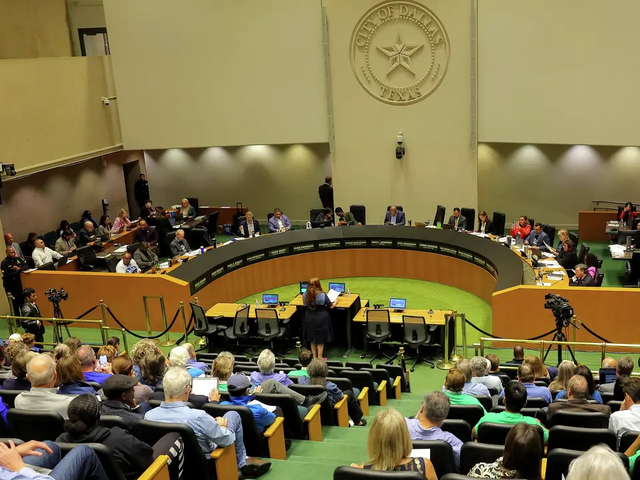
The former mayors acknowledge that many council members could oppose the proposal. Rather than spend their time trying to mollify skeptical council members, they plan to appeal directly to voters and community leaders.
That strategy carries risks. Council members are influential in their districts, especially during a low-turnout election. Working around those who oppose the plan could be difficult.
The proposal does have support from some council members, while others are waiting for the debate to unfold.
Is May the right time for the election?
Dallas moved its city elections from May to November in odd-numbered years to increase voter participation. Supporters hope to put the stronger-mayor proposal before voters in May, when a relatively small number of voters could decide a major question about the city’s future.
Other referendum proposals could also compete for voters’ attention.
Rawlings, Leppert and Kirk agree that the charter should be changed before the November 2027 mayoral election. That leaves them with few options beyond the May election.
May doesn’t always lead to a low turnout. The failed 2005 strong-mayor referendum more than doubled the usual voter turnout, particularly in Black precincts.
The former mayors have experience persuading elected officials. Now they must persuade Dallas voters that changing City Hall’s structure is worth the risk.
Political Writer
The Howard University graduate and Chicago native has covered four presidential campaigns and written extensively about local, state and national politics. Before The News, he was a reporter at The Kansas City Star and The Chicago Defender. You can catch Gromer every Sunday at 8:30 a.m. on NBC 5’s Lone Star Politics.