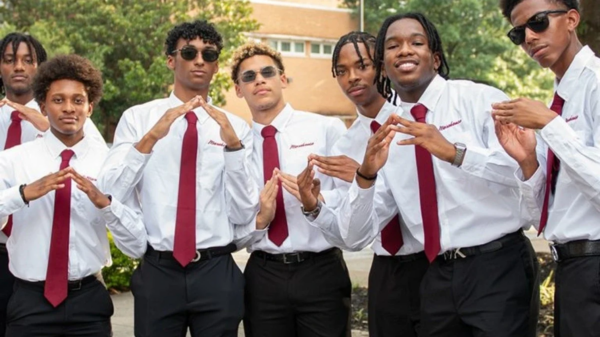
For decades, Morgan State University and Coppin State University have been more than institutions of higher education in Baltimore. The HBCUs are investing in the health, education and economic vitality of surrounding communities as they grow alongside the city.
For decades, Morgan State University (Morgan) and Coppin State University (Coppin), have not only served as epicenters of higher education and Black excellence, but also as community anchors—strengthening the health, economic stability and vibrancy of Baltimore neighborhoods.
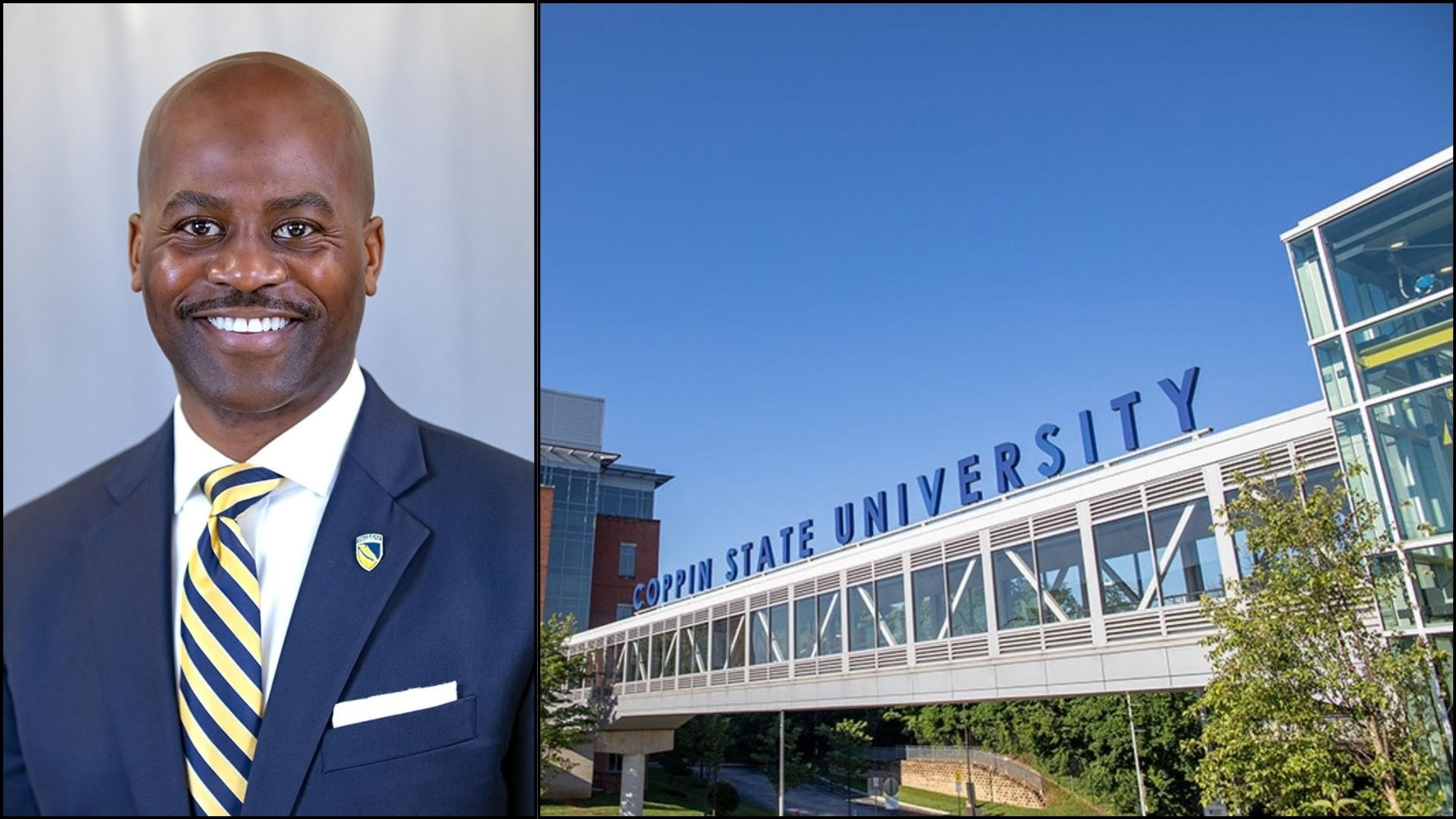
Dr. Anthony L. Jenkins serves as president of Coppin State University, known as “Baltimore’s Hometown University.” The historically Black college was founded in 1900 and originally established to train Black elementary school teachers.Coppin State University
From community health and entrepreneurship centers to neighborhood revitalization projects, the institutions have sought to fill gaps and grow alongside the Baltimoreans who surround them. For Mayor Brandon M. Scott, the universities are sewn into the fabric of the city.
“You can’t really talk about Baltimore without talking about Morgan and Coppin State,” said Scott. “In my formative years, a lot of my educators were Coppin State graduates. As a high school student, I went to school right down the street from Morgan and caught the bus with those students each and every day. I could see college students who looked like me for the first time and who were from my city.”
More than pillars in the community, the mayor views the universities as vital components in the economic engine of Baltimore. Annually, Morgan generates $891 million in economic impact and supports 4,880 jobs in the city.
Record enrollment increases at Coppin have made it the fastest-growing university in Greater Baltimore, which Scott said benefits the city, especially as nearly 48 percent of its graduates choose to live and work in Baltimore after they receive their diplomas.
“They’re not just colleges that are in Baltimore, they’re really a part of Baltimore and a part of our community,” said Scott.
Leadership at both Coppin and Morgan see their relationship with the city as one that is symbiotic: when the surrounding communities thrive, the universities benefit as well. The schools believe their missions extend beyond the boundaries of their campuses.
“Morgan’s teaching, research, expertise and resources can help address challenges facing the city, while engagement with the community creates opportunities for learning, discovery and impact that strengthen the university and the educational experience of its students,” said Morgan State University public relations representatives in a statement to the AFRO.
They view their investments in the public health, education and economic development of the broader Baltimore community as a responsibility.
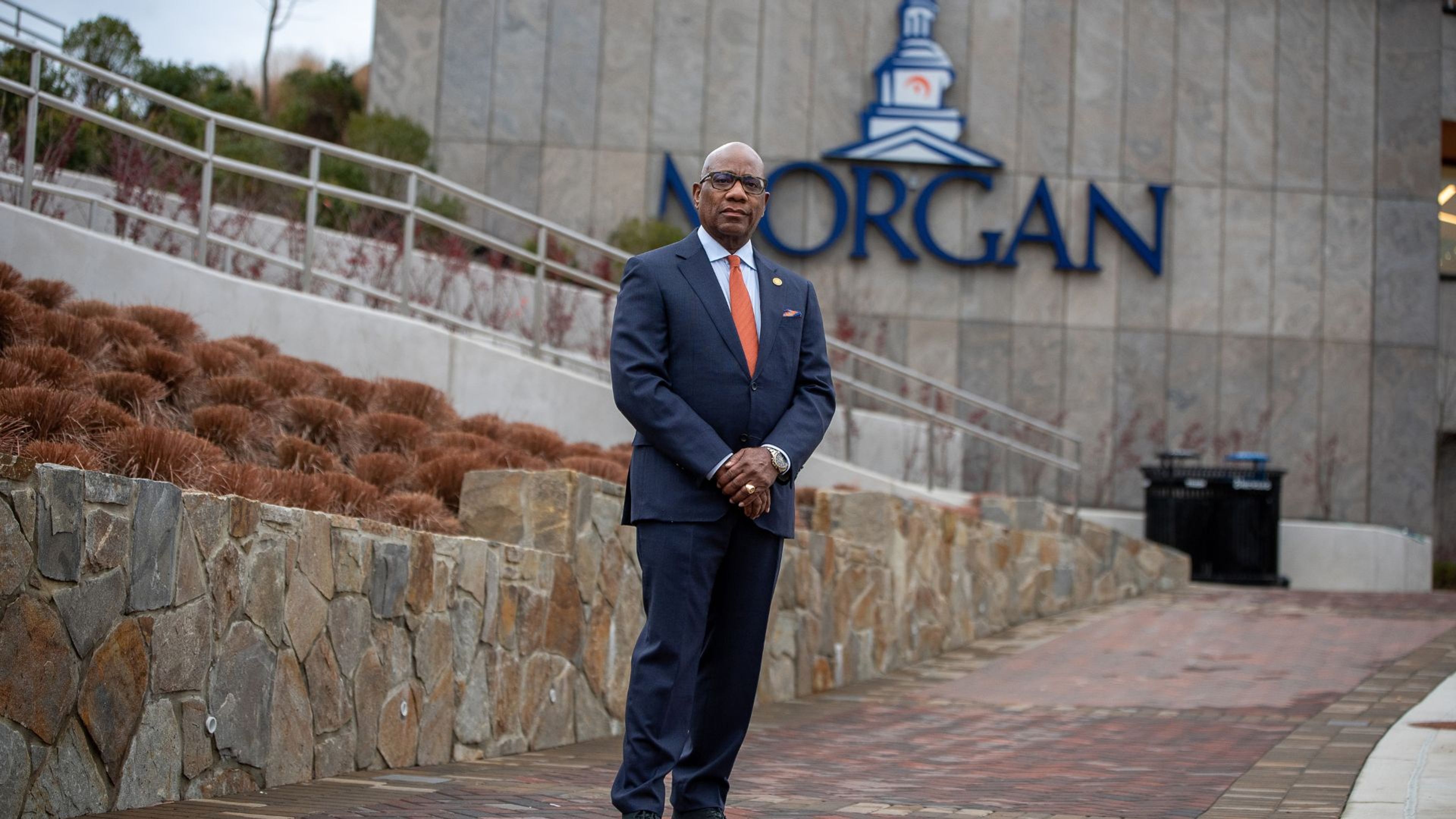
Morgan State University, the largest historically Black college in Maryland, is a public research institution led by Dr. David Wilson in Northeast Baltimore. The university was founded in 1867 by the Baltimore Conference of the Methodist Episcopal Church with a mission to train young men in ministry.Morgan State University
“I do not believe Coppin can be successful if the community surrounding us is left behind,” said Dr. Anthony L. Jenkins, president of Coppin State University. “Our progress should also contribute to the progress of West Baltimore and improving the human condition.”
At Coppin, that commitment takes shape through programs designed to address some of West Baltimore’s most immediate needs. The university’s Community Health Center provides low-cost primary care to nearby residents, while Coppin Academy High School, the only public university-operated charter school in Maryland, serves more than 450 students.
The university has also invested in the economic vitality of West Baltimore, with Jenkins chairing the West North Avenue Development Authority— an agency established in 2021 to reinvigorate the historically disinvested corridor. Coppin secured $1 million to support the development of the Mill on North, a community-driven food hall, and $2.1 million for the creation of KEYS Community Healing Village, a mental and behavioral health center.
“Ultimately, we want this work to produce a more effective quality-of-life ecosystem: focusing on better housing, stronger businesses, safer streets, more green space, diverse transportation options and more jobs,” said Jenkins.
Coppin’s Center for Strategic Entrepreneurship also provides education and business development services to entrepreneurs and small business owners, while its collaboration with the West Baltimore Workforce Development Initiative connects residents with job-readiness training and financial literacy.
Morgan’s investments similarly span health, education, economic development and community needs, but also draw heavily on its role as a research institution. The university works with grassroots organizations, government agencies and other partners on issues, including public health, transportation and environmental justice.
“Morgan approaches Baltimore as both a community to serve and a partner in discovery,” said Morgan State University public relations representatives in a statement to the AFRO. “Faculty and researchers investigate issues affecting residents’ quality of life, students gain opportunities to apply what they learn through community-based and experiential learning and the university works with public agencies and community organizations to translate knowledge and research into practical strategies.”
Through the Baltimore Social-Environmental Collaborative, Morgan is helping deploy neighborhood weather stations in historically under-monitored areas to provide data on extreme heat, flooding and other hazardous environmental conditions. A $4.4 million contract from Baltimore City Public Schools is enabling the university to address school nurse shortages and research Black maternal and infant health.
The university has also partnered with the Baltimore Design School on a dual-enrollment program for architecture and environmental design and Plantation Park Heights Urban Farm on food access and sustainability.
“These efforts demonstrate that Morgan’s role as an anchor institution is not defined by a single initiative,” said Morgan State University public relations representatives in a statement to the AFRO. “It is reflected in sustained engagement across disciplines and in partnerships designed to produce measurable benefits for Baltimore residents while providing Morgan students with opportunities to apply their education in meaningful ways.”
Megan Sayles
AFRO Staff Writer
Email Megan at msayles@afro.com.