By Terry Allen

Executive Producer Credit: Terry Allen/Brandon Flander
We love celebrating Black excellence.
We applaud the promotion. Share the graduation picture. Celebrate the new business. Cheer when somebody “makes it.” We proudly post about Black history and point to successful Black people as evidence of how far we’ve come.
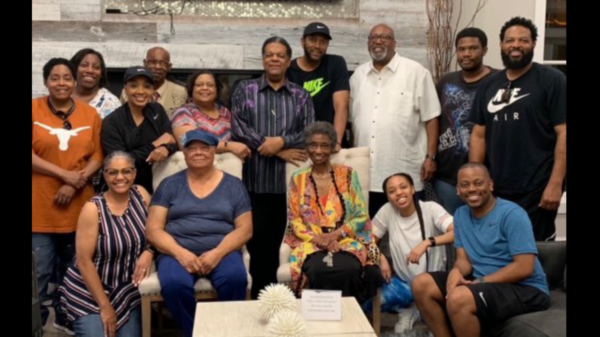
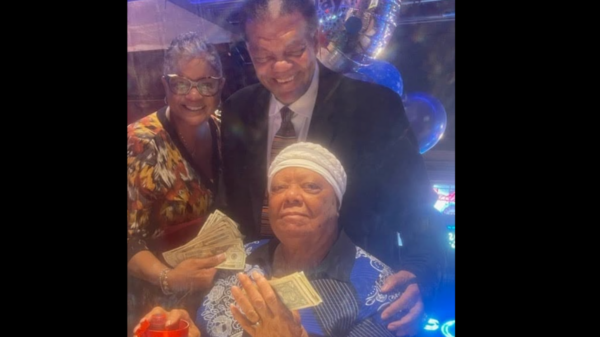
But Big Mama would ask a harder question:
Did you spend any money with them? Did you hire them? Refer them? Invest in them? Open a door for them?
Because celebrating Black excellence and investing in Black excellence are two different things. Our history shows that Black excellence becomes Black economic power when individual achievement is connected to an ecosystem of ownership. Maggie Lena Walker understood that. In 1903, she founded St. Luke Penny Savings Bank, creating greater access to banking, capital and homeownership for Black families. A.G. Gaston didn’t build just one successful company. His Birmingham business empire reached across insurance, banking, real estate, hospitality and other enterprises. One business could strengthen another. Annie Turnbo Malone didn’t simply sell beauty products. She built Poro into an enterprise that trained and economically empowered thousands of Black women. Berry Gordy didn’t simply make hit records. Motown created opportunities for Black singers, musicians, songwriters, producers and executives.
They weren’t simply creating successful Black people. They were creating systems capable of producing more successful Black people.
And we don’t have to travel through history—or leave Dallas—to see what that looks like.
Look at Curtis King.
King came from segregated Tate County High School in Mississippi, studied at Jackson State University under the mentorship of renowned poet Margaret Walker Alexander, and earned his master’s degree in theater from Texas Christian University. In 1977, after learning that the earlier Black Academy of Arts and Letters had become defunct, he took $250 of his own money and founded the Junior Black Academy of Arts and Letters in Dallas.
Think about that.
Two hundred and fifty dollars.
Not $250 million. Not $250,000.
$250 and a vision.
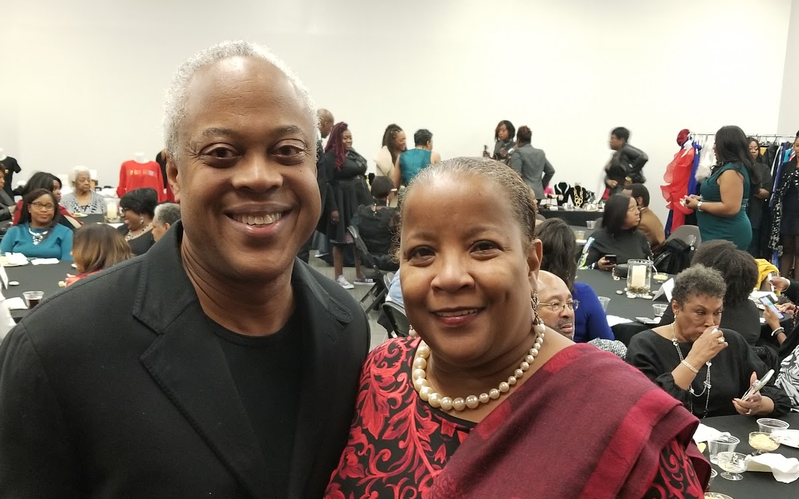
From an idea developed around his dining-room table grew what became The Black Academy of Arts and Letters—TBAAL, a major multidisciplinary Black cultural arts institution. It eventually came to occupy some 250,000 square feet in Dallas’ convention-center complex, with theaters, gallery and performance spaces devoted to preserving and presenting Black arts and culture.
That $250 didn’t remain $250 because Curtis King turned money into institutional capacity.
And that’s where culture meets economics.
Terry Allen is an NABJ award-winning Journalist, DEI expert, PR professional, and – Vice President at FocusPR, founder of the charity City Men Cook, and Dallas Chapter President of NBPRS.org