By Terry Allen
Guest Correspondent
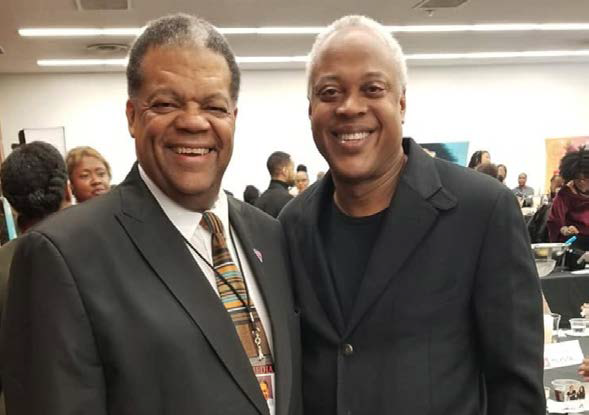
The passing of George E. Johnson Sr. at the age of 99 is more than the loss of an iconic entrepreneur. It marks the closing of one of the most significant chapters in American business history.
As the founder of Johnson Products Company, Johnson transformed the Black haircare industry, becoming the first African American to lead a company listed on the American Stock Exchange. Alongside his wife, Joan Johnson, he built an enterprise that celebrated Black beauty, created economic opportunity, and forever changed how corporate America viewed the purchasing power, dignity, and influence of Black consumers.
His brands—including Ultra Sheen and Afro Sheen—became household names, but his greatest contribution extended far beyond the beauty aisle. Johnson Products invested in Black communities, supported Black entrepreneurs, and became the pioneering corporate sponsor of Don Cornelius’ Soul Train, giving one of the most influential television programs in history the opportunity to flourish while showcasing Black music, fashion, culture, and pride to the world.
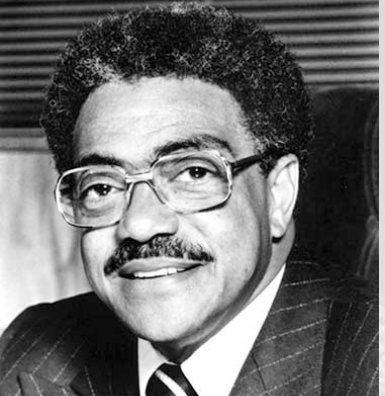
For Isabell Paulding Cottrell, George E. Johnson’s legacy is deeply personal.
“I was recruited as Miss Black Alabama to model the Johnson Products facial cosmetic line on stage at the National Beauty Culturist League Convention in Birmingham, Alabama,” Cottrell recalled.
Her experience represents one of thousands of lives elevated through Johnson’s vision of empowering Black talent and creating opportunities where few previously existed.
Reflecting on the company’s impact, Cottrell added,
“Johnson Products Company was the major underwriter for Don Cornelius’ Soul Train on international television.”
That investment helped create a cultural institution that celebrated Black excellence at a time when mainstream television rarely did.
During my tenure on the Bronner Bros Southwest team with the Bronner Bros. family, I had the privilege of interacting with George E. Johnson and seeing his remarkable impact under the direction of Kedrick Hogans Sr. and Bernard Bronner, CEO of Bronner Bros. and Upscale Magazine. Those conversations reinforced a truth that deserves far greater recognition.
Johnson was not simply selling products.
He was creating economic mobility.
He was proving that Black-owned businesses could compete nationally and globally without compromising their commitment to community.
Through our conversations, Kedrick Hogans Sr. reflected on how George E. Johnson’s leadership demonstrated that Black excellence could define an industry long before corporate America fully embraced diversity, equity, and inclusion. His observations underscored that Johnson’s greatest achievement was not simply building a successful company—it was creating opportunities that empowered generations of entrepreneurs, beauty professionals, and business leaders.
George E. Johnson’s influence can still be seen today in every Black-owned beauty brand, every entrepreneur inspired to build generational wealth, and every young person who believes their dreams deserve a place in the marketplace.
As I reflect on his extraordinary life, one truth continues to echo in my spirit:
“George E. Johnson’s story belongs alongside the greatest names in American business—not simply because he built wealth, but because he built hope.
As journalists, historians, educators, and community leaders, we now inherit a responsibility.
We must preserve these stories.
ADVERTISEMENTWe must teach them in our schools.
We must document them in our museums.
We must celebrate them in our media.”
— Terry Allen
History is not preserved by accident.
It is preserved because someone chooses to tell the story.
George E. Johnson chose to invest in people before investing in profits. He believed Black beauty deserved recognition, Black businesses deserved opportunity, and Black communities deserved investment. Because of that vision, millions found confidence, careers, and hope.
The responsibility now belongs to us.
Let us amplify his story.
Let us honor his sacrifice.
Let us support efforts like Isabell Paulding Cottrell’s vision for a Historical Black Haircare Museum so future generations will understand the shoulders upon which they stand.
George E. Johnson did more than build a company.
He built a movement.
And movements are only remembered when we choose to keep telling their stories.