By Dr. Cynthia J. Hickman
Forward Times
https://www.forwardtimes.com/
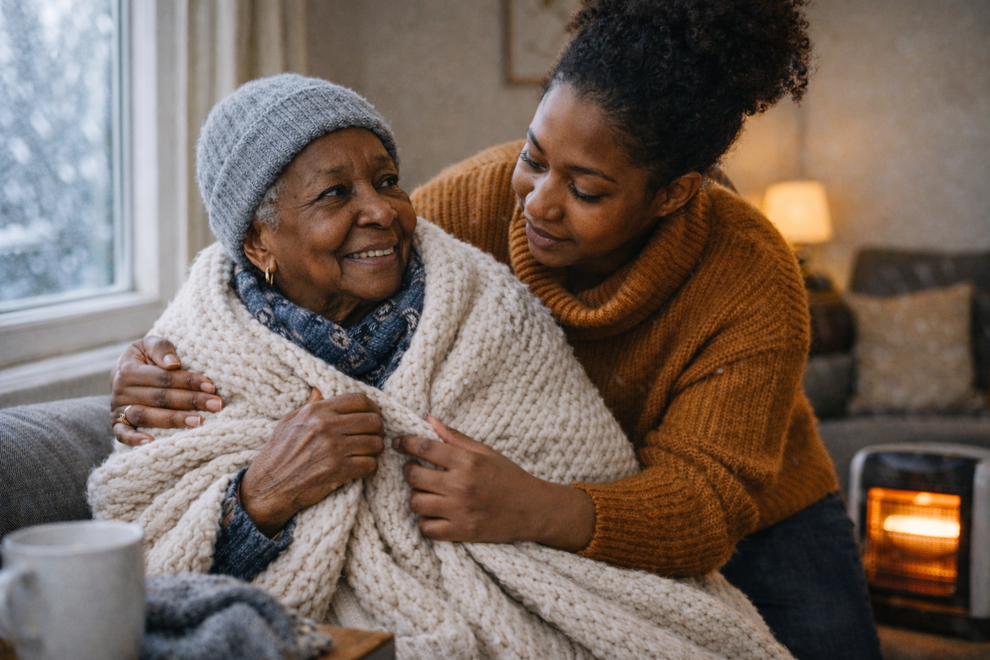
It’s that time of year. The weather is changing, and as a caregiver for elderly loved ones, preparation is essential.
If you’re like most people, you may feel cold on and off. However, during the winter months, keeping our elders warm becomes especially important. Freezing temperatures can pose serious risks for older adults—particularly those living with multiple medical conditions—where maintaining body temperature is critical. While regulating body temperature is not always easy for aging bodies, protecting a loved one’s warmth becomes a key caregiver responsibility.
Hypothermia Is Real
As we age, natural changes in the body affect how temperature is regulated. Elderly individuals can lose body heat quickly, and keeping their skin warm requires consistent awareness and planning.
The medical term for dangerously low body temperature is hypothermia, a severe and potentially life-threatening condition. Hypothermia occurs when the body temperature drops below normal. While 98.6°F is considered a standard body temperature, many older adults naturally run lower—often around 95°F.
When low body temperature is combined with health conditions such as cancer, heart disease, kidney problems, blood disorders, or nerve damage (including loss of sensation), the risks increase significantly. Prolonged exposure to cold—whether outdoors or even inside a poorly heated home—can lead to hypothermia.
Steps Caregivers Should Consider During Cold Weather
There are proactive steps caregivers can take to reduce the risk of hypothermia. Consider the following:
Headwear
Heat is often lost through the head, especially if hair has thinned or been lost. Covering the head and ears during cold weather helps retain warmth.
Neckwear
Warm scarves or turtleneck sweaters can provide added protection. Be sure neckwear is comfortable, secure, and does not pose a safety risk.
Bodywear
Layered underwear and outerwear help regulate body temperature. Shawls and blankets are also useful. At the same time, avoid overdressing indoors, as overheating can also be harmful. Taking your loved one’s temperature daily can help you monitor changes and spot concerns early.
Hands
Hands lose heat quickly. Gloves or mittens should always be worn outdoors and should fit properly. Tight-fitting gloves can restrict circulation and worsen cold sensitivity.
Footwear
Warm socks, properly fitting shoes, and insulated slippers help keep feet protected. Foot warmers can be helpful for some, but improper use may cause burns—especially for individuals with nerve damage. Use caution and monitor skin closely.
A Special Note for Caregivers
As your Proactive Caregiver Advocate, I want to offer an important reminder: if your loved one resides in a nursing or assisted living facility, pay close attention to room temperatures and clothing choices. Hypothermia can occur in these settings if rooms are not adequately heated. Ensure your loved one is dressed warmly from head to toe, particularly in shared or common areas.
Be safe. Be well.
About the Author
Dr. Cynthia J. Hickman is a retired registered nurse and case manager and the CEO of Your Proactive Caregiver Advocate. She is the author of The Essential Caregiver Training Course for Corporations and Community, as well as From the Lens of a Daughter, Nurse, and Caregiver: A Journey of Duty and Honor and The Black Book of Important Information for Caregivers. Her work reflects decades of professional expertise and deeply personal caregiving experience.
Website: www.cynthiajhickman.com