By Rita Cook
AUSTIN – Sine die (Latin for “without day”) is the term used for the last day of the Texas Legislative session.
This year the 89th Regular Session wrapped on June 2.
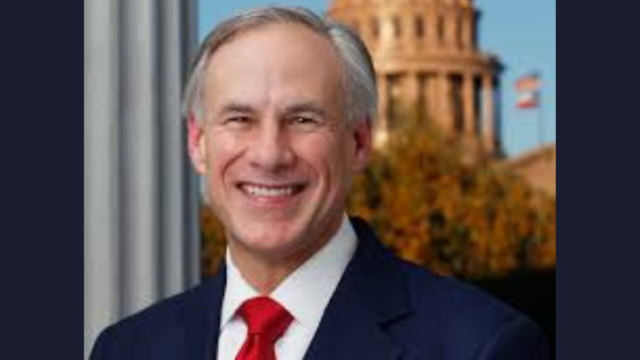
Now Texas Gov. Greg Abbott has until June 22 to sign, veto, or let it go into law without signature according to the Texas Constitution.
In fact, a bill does not need the governor’s signature to become law in some cases such as bills with the support of at least two-thirds of the House and Senate. With this support Abbott cannot veto the bill because the Texas Constitution permits vetoes to be superseded with that height of support by lawmakers.
Abbott is also not allowed to veto any constitutional amendments that lawmakers agreed to put on the ballot for voters to approve because those amendments pass with a two-thirds majority anyway.
For example, the proposed property tax relief for homeowners raising the homestead exemption will be on the Texas ballot in November.
Also keep in mind, as of June 3, the day after the legislative session ended bills that passed before the last 10 days of the session could not be vetoed either. Those vetoes were required by the Texas Constitution to have been vetoed before the session ended.
So, with that, let’s do a breakdown.
Lawmakers passed more than 1,200 bills during the 89th session.
Roughly 800 were not sent to Abbott’s desk until the last 10 days of the session.
That is a lot of reading and signing for the governor regarding his power of the pen.
Some of the more consequential bills on the governor’s desk waiting for his signature include:
- SB37: State oversight over public universities
- SB12: K – 12 DEI ban
- SB13: Public school library books
- SB1: State budget
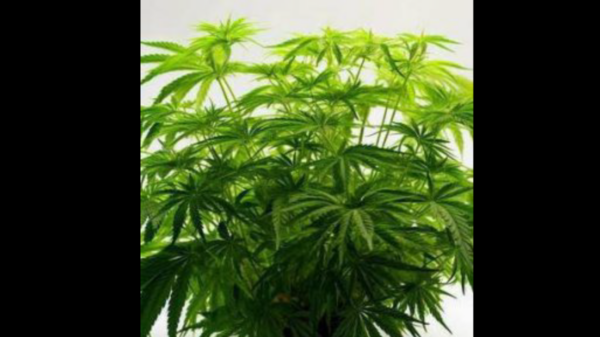
- SB3: Banning THC
- SJR5: Tighten bail laws
- SB10: Ten Commandments in classroom
- SB17: Restricting foreign land ownership
- SB8: Local police help with immigration enforcement
- SB31: Emergency exception in abortion ban
- SB33: Stop local government aid for out-of-state abortions
- SB4: Cutting property tax
- SB7: Funding water infrastructure
- HJR7: Funding Texas Water Fund
- SB15: Minimum lot sizes
- SB38: Speed up evictions
- SB6: Regulating the energy grid
- HB33: Law enforcement response to mass shootings
- SB3070; State lottery regulations
There have been only five laws passed during this session.
- SB2: Creating education saving accounts
- HB2: Increasing public school funding
- SB326: Antisemitism bill
- SB5: Establishing dementia research fund
- HB9: Raising personal property tax exemption
And there are those bills that have already been vetoed too or that failed.
- SB16: Voter citizenship requirement
- HB5138: Prosecution of election crimes
- HB186; Banning social media for children
- SB2880: Abortion pills
Most new laws will go into effect on September 1.
One major bill to watch is SB 3, the THC bill. Will Abbott choose Texans who spoke vehemently, particularly veterans, to the benefits of medical hemp or will he acquiesce to the lobbyists and Lt. Gov. Dan Patrick, who spent a good amount of time leading the ban charge?
And what will happen with the state budget for the next two years, which is still in limbo? While Abbott does not have the ability to veto the overall $338-billion budget, he can take his pen to various line items over specific portions of the budget.