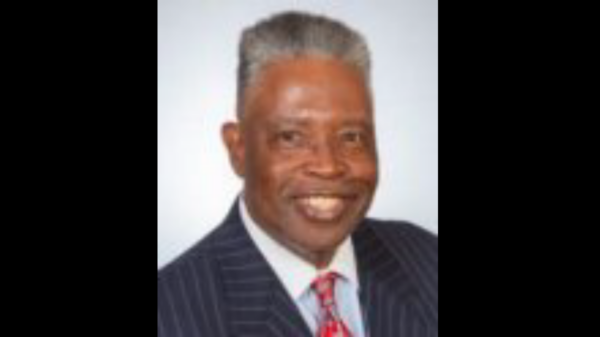
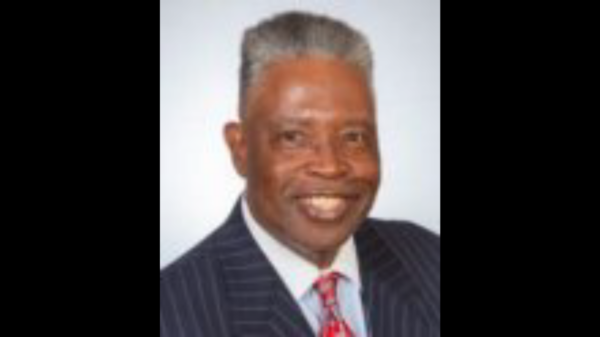
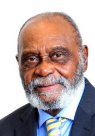
By: Rev. Peter Johnson
Some roads have a way of remembering your footsteps. I grew up in Plaquemine, Louisiana, in an America where segregation did not bother to hide. Black people knew which doors we could enter, which schools our children could attend, where we could sit, and how carefully we had to carry ourselves when the law had already decided that our freedom mattered less than somebody else’s comfort. Long before I knew the legal language of the First Amendment, I knew what happened when fear was given a badge, a Bible verse taken out of context, and the power to write laws.
That is why I sat back in my chair after reading an August 6 Dallas Morning News article, “Ban hijabs and halal foods? Texas Republicans offer early blueprint of plan to ‘stop Islam.’” The reporting described proposals discussed by Texas Republican lawmakers and activists at a True Texas Project conference: ban halal food, forbid hijabs in public schools, redefine Islam as a political ideology instead of a religion, and require school lessons emphasizing what they called Islam’s “violence and political domination.” I finished the article and thought, Lord, we have walked this road before.
Those of us who have lived a few years recognize the sound of it. We remember when Black families entering a neighborhood were said to threaten somebody else’s “way of life.” We remember when equal schools, voting rights, and a seat at a lunch counter were called dangerous ideas. Jim Crow did not always introduce itself with a fire hose or a police dog. It often arrived first as a speech, a warning, a campaign promise, or a law written to protect people from neighbors they had been taught to fear.
The faces and targets change, but fear tells the same old story: Your neighbor is your enemy. Their freedom threatens yours. Take away their rights today, and you will be safer tomorrow. Black America has heard that sermon before, and we know it is a lie.
As a Christian minister, I believe with all my heart that Jesus Christ is the Savior of the world. But Jesus never told His followers to use government power to make another person’s faith impossible to practice. When a lawyer asked, “Who is my neighbor?” Jesus answered with a story. He made the Samaritan, the man respectable religious people distrusted, the one who crossed the road, treated the wounded man, and paid for his care. Jesus did not ask whether the two men worshiped alike. He asked who showed mercy. Then He said, “Go and do likewise.”
The Constitution does not protect only Christians. The First Amendment protects the church, the synagogue, the mosque, and the person who chooses no religion. It exists because the government must never decide whose prayers deserve protection. Once politicians can forbid a Muslim girl from wearing her hijab or tell a Muslim family what food they may prepare, every religious community should pay attention.
The Muslim woman wearing a hijab may be the physician caring for your heart. The Muslim man leaving Friday prayers may be a soldier serving this country or the veteran who defended this country, the teacher helping your child, or the neighbor watching your home. Their children laugh, worry, and dream like ours. We both pray, and their freedom is no less sacred than mine.
Some may ask why Black people should speak when we have so many battles of our own. The elders who carried us through the Civil Rights Movement taught us that freedom cannot be divided into private portions. If we defend religious liberty only when Christians are threatened, we do not truly believe in it. If we defend equal protection only when Black people need it, we have misunderstood the movement that opened doors for us.
When we sang “We Shall Overcome,” we were not claiming justice as Black America’s private property. We were declaring that God’s justice is wide enough for everybody. We marched because this country had broken its promise to us, and so America might keep that promise for generations we would never meet.
I am an old civil rights worker now. I have buried friends who believed America could be better than its fear. I cannot honor them by remaining silent while language once used against Black people is aimed at Muslim families. Silence may feel safe, but history has never remembered silence as courage.
My prayer is for my Muslim brothers and sisters, and for Texas. I pray we do not become so frightened that we surrender the freedoms our ancestors struggled to secure. Fear may win some elections, but only love transforms hearts. The prophet Micah still tells us what God requires: do justice, love mercy, and walk humbly with our God.
We have walked this road before. We know where prejudice leads when good people excuse it, politicians feed it, and the church blesses it. Sixty years ago, love and justice were the better road. They remain the better road today. And by the grace of God, they always will.
Rev. Peter Jerome Johnson, was the youngest staff member of the Southern Christian Leadership Conference under Dr. Martin Luther King, Jr. An alum of Southern University, he founded the Peter Johnson Institute on Nonviolence.