By: John Hickman
Forward Times
https://www.forwardtimes.com/
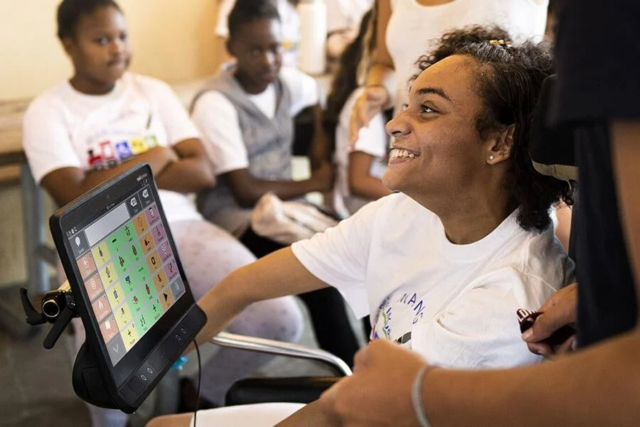
As families prepare for the 2026–27 school year, parents of children with disabilities and other specialized learning needs often have more to consider than school supplies and new clothes.
Understanding a child’s educational plan, available services and legal rights can help families begin the school year with confidence and ensure students receive the support they need to succeed.
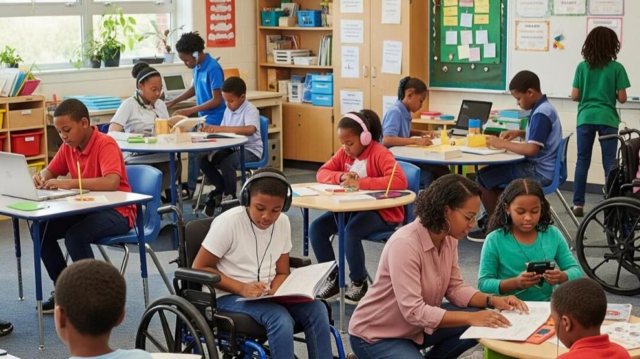
Whether a student receives accommodations in a general education classroom or requires a more specialized learning environment, parents are encouraged to understand their child’s educational placement and the services outlined in their Individualized Education Program (IEP).
Knowing a family’s rights under special education law is equally important.
“When parents understand their rights, they’re better prepared to advocate for their child and work collaboratively with the school,” said Shakevia Fleeks-Hickman, a tenured self-contained S.P.E.A.K. Transition special education teacher at Summer Creek High School.
Getting to Know Your Child’s School Team
Parents should build relationships with the teachers, counselors, case managers and administrators who will work with their child throughout the school year. Open communication can help address concerns early and create consistency between home and school.
Families should also understand their child’s daily schedule, classroom supports and accommodations.
Understanding Graduation Plans
Parents of high school students should know which graduation plan their child is following. Depending on the student’s needs and educational goals, students may work toward either a 22-credit or 26-credit graduation plan.
Understanding graduation requirements early allows families to prepare for postsecondary education, employment or vocational training.
Review the Individualized Education Program
An Individualized Education Program, or IEP, outlines a student’s educational goals, accommodations and specialized instruction.
Each goal is tailored to the student’s individual needs and monitored throughout the school year to measure progress. For example, a student may have a reading goal to recognize a specific number of sight words by the end of the school year, with progress reviewed every grading period.
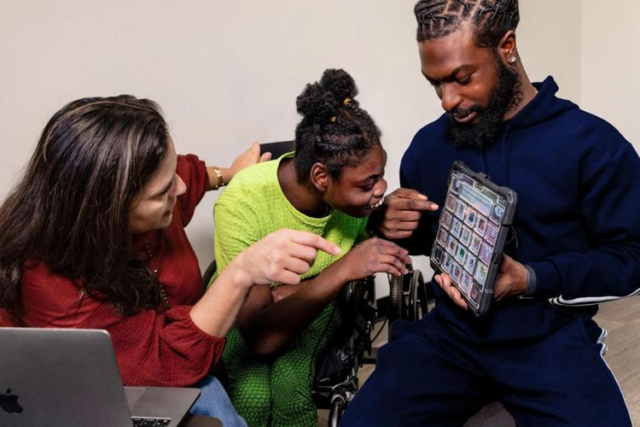
Parents should review the IEP before school begins and ensure they understand each goal, accommodation and service their child will receive.
Know What Related Services Are Available
Depending on the student’s needs, related services may include:
- Occupational therapy
- Speech therapy
- Physical therapy
- Audiology services
- Vision services
Parents who believe their child may need additional services can request an Admission, Review and Dismissal (ARD) committee meeting.
The ARD committee typically includes the student’s case manager, special education diagnostician, ARD facilitator, related service providers, campus administrator, and the student’s parent or guardian.
During an ARD meeting, parents may also discuss in-home training, which provides strategies families can use to reinforce learning at home. In Texas, in-home training is considered by the ARD committee based on a student’s documented needs and supporting data. While all Texas school districts must consider these services when appropriate, they are not automatically provided upon request and must be included in the student’s IEP if the committee determines they are necessary.
Outside of school, families may also wish to explore resources available through their health insurance provider. Some insurers, including UnitedHealthcare, offer Special Needs Plans (SNPs) and other programs designed to support individuals with qualifying medical, financial or living circumstances.

Planning for Life After High School
Transition planning should begin well before graduation.
The Texas Workforce Commission offers vocational rehabilitation services for eligible students with disabilities between the ages of 14 and 22. Services may include career exploration, job readiness training, internships, work-based learning opportunities, financial assistance for training programs, and support for students pursuing college or trade school.
Families are encouraged to begin exploring transition services as early as a student’s freshman year of high school.
Building Independence
Academic success is only one part of preparing students for adulthood.
Parents can also help children develop independent living skills, including:
- Laundry and clothing care
- Meal preparation
- Basic money management
- Personal hygiene and toileting skills
- Self-advocacy and communication
For some students, these skills will support independent living. For others, they provide a strong foundation for college, vocational training or future employment.
Parents and Educators Working Together
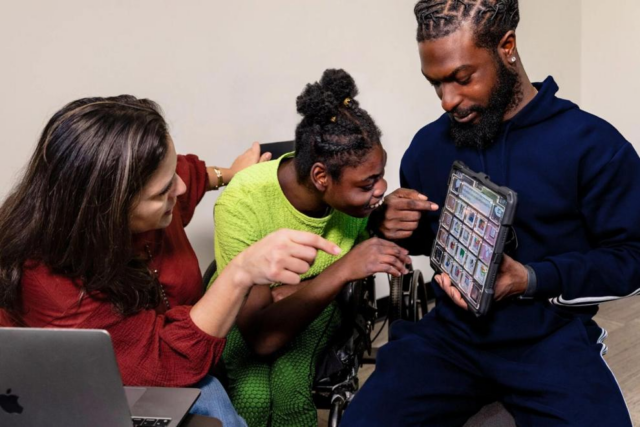
Fleeks-Hickman said one of the most important factors in a student’s success is the partnership between home and school.
“We are all teammates,” she said to Forward Times. “Teachers can help parents, and parents can help the system become stronger.”
She encourages special education teachers to communicate consistently with families, explain the IEP process in language parents can easily understand, share both student successes and concerns, and provide strategies families can use at home.
Fleeks-Hickman believes building trust begins with open communication between schools and families. She encourages parents to actively participate in ARD meetings, communicate regularly with the school staff working with their child, and reinforce skills learned at school at home. When families and educators work together, she said, students receive more consistent support both inside and outside the classroom.
“When parents and teachers work as one team, students receive more consistent support across school and home,” she said. “That can lead to a better educational experience at any grade level.”
Changing Perceptions
Fleeks-Hickman said misconceptions about students with disabilities remain one of the biggest challenges facing the special education community.
“Disabilities affect how students learn, not whether they can learn,” she said.
She encourages schools, families and communities to focus on students’ strengths rather than their limitations, maintain high expectations, promote meaningful inclusion and celebrate student growth.
Families should also know that many campuses offer Integrated Athletics programs, allowing students with and without disabilities to compete together while building friendships, confidence and teamwork.
“The more people see students with disabilities succeeding in classrooms, jobs, athletics and throughout their communities,” she said, “the more perceptions begin to shift.”
As another school year begins, educators encourage parents to ask questions, stay informed and remember they are valuable partners in their child’s education. Through preparation, communication and collaboration, students with disabilities can begin the school year equipped with the support they need to thrive.