By Sylvia Powers
Correspondent
Texas Metro News
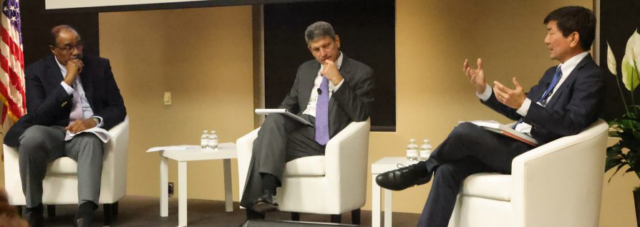
Parkland Health recently convened community stakeholders at Goodwill Industires in Dallas to discuss the findings and future implications of the Dallas County 2025 Community Health Needs Assessment (CHNA), a comprehensive report published every three years to guide public health strategy and investment.
The CHNA serves as a roadmap for improving community health across Dallas County by addressing gaps in mortality and morbidity, expanding access to care, and strengthening partnerships across sectors.
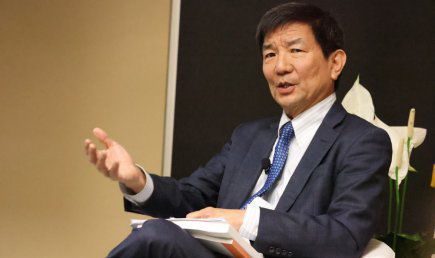
Services, expressed concern about declining vaccination
rates in Dallas County, referencing the measles outbreak
in West Texas last year as a warning sign
All programs and services outlined in the report are available to all residents, with prioritization based on objective indicators such as disease burden, access barriers, social vulnerability, and clinical risk.
A major theme that emerged from this year’s assessment was the critical need for timely and transparent data sharing. Stakeholders emphasized that access to localized, real-time data enables more effective planning, better alignment of resources, and greater accountability.
Cross-sector collaboration particularly among healthcare, public health, education, housing, and transportation was identified as essential to delivering responsive and coordinated care.
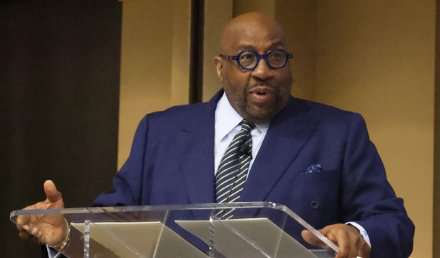
According to Fred Cerise, President and CEO of Parkland Health, the level of collaboration in Dallas County is noteworthy.
“There’s been a lot of work in that regard in the past few years. The level of collaboration between the public delivery system and public health is at a level that you don’t see in other parts of the country,” said Cerise. “We are even part of larger discussions exploring how this kind of alignment can be replicated elsewhere.”
Vincent Hall, Chairman of the Board of Managers for Parkland Health, highlighted the CHNA as a key tool in shaping the system’s forward-looking strategy, particularly in improving access to care.
One of the most significant findings from the assessment was the growing concern around mental health.
“The number one concern from our focus groups was mental health,” Hall said. “That stood out to me. I was not expecting that outcome.”
The previous CHNA was conducted in 2022, and Hall noted measurable progress in several areas over the past three years. He credited the success to coordinated efforts among community outpatient clinics, outreach programs, and partnerships with Dallas County leadership.
“The community outpatient clinics are doing a good job. Our outreach is doing a good job. Dallas County is doing a very good job,” Hall said. “Blending those efforts together and building trust with the community has made a difference.”
Encouraging trends include a reduction in sexually transmitted diseases and improvements in certain ZIP codes within the southern sector of Dallas, which are no longer ranked among the highest-risk areas. However, Hall noted emerging health challenges in growing Hispanic communities, reflecting patterns previously seen in other parts of the county.
Vaccination rates remain a major concern. Philip Huang, Director of Dallas County Health and Human Services, addressed the issue, citing declining immunization rates compared to neighboring counties such as Ellis, Kaufman, and Tarrant.
“We’ve been very concerned about what’s been going on with immunization rates,” Huang said. “Since COVID, vaccines have become politicized. Policy changes have also made it easier for parents to opt out of school-required vaccinations.”
Huang pointed to a recent measles outbreak in West Texas as a warning sign.
“The United States is on the verge of losing its measles elimination status. It’s concerning that in 2026 we’re still having to address this.”
He also highlighted a growing barrier to care among Hispanic residents, particularly fear related to immigration enforcement.
“Over forty percent of our community is Hispanic, and we’re hearing concerns about fear of coming in for screenings,” Huang explained. “That reluctance is impacting access to care.”
Looking ahead to the next CHNA in 2028, Hall expressed hope for continued progress, especially in expanding behavioral health services. A new state mental health hospital being constructed near Parkland is expected to play a key role in addressing unmet needs.
“I want to see that we meet the demand for behavioral health,” Hall said. “I’m also hoping we bring more minority communities into care, especially those who have historically been left out.”
Hall also emphasized the ongoing challenges of chronic conditions such as diabetes and heart disease, which continue to disproportionately impact Hispanic and African American communities.
“I hope policymakers, the community, and especially the faith community will come together,” he said. “We need a coalition that actively works to make Dallas County healthier and safer for everyone.” As Dallas County continues to evolve, the CHNA remains a vital tool for guiding collaborative action and ensuring that no community is left behind.
Sylvia Powers is an award-winning author, accomplished writer, gifted photographer, and nationally recognized breast cancer advocate with a deep passion for empowering others