By Chelsea Lenora Small
Forward Times
https://www.forwardtimes.com/

From Christian Menefee’s victory over Congressman Al Green to Letitia Plummer’s upset over former Houston Mayor Annise Parker, Tuesday night’s runoff results revealed a major shift in Houston-area politics while Texas Republicans pushed the state further toward Trump-era extremism.
By the end of Tuesday night, one thing became increasingly clear: Houston-area voters were far more interested in where politics is going than where it has been.
Across several of the region’s most closely watched runoff races, voters chose candidates representing newer political energy, generational transition and post-establishment leadership. But statewide, Republican voters delivered a very different message, doubling down on Trump-aligned politics by handing Attorney General Ken Paxton a major Senate runoff victory despite years of scandal and legal controversy.
And all of it unfolded against the backdrop of confusion and frustration at the polls themselves.
Earlier Tuesday evening, Forward Times reported in real time as widespread technical issues disrupted voting across Fort Bend County, leaving residents unable to properly check in and cast ballots for hours during one of the most consequential runoff elections on the ballot.
For many voters, it was yet another reminder that elections are not just about candidates or policy positions. Access matters too.
The disruptions particularly intensified concern because several major races with direct implications for Houston-area leadership, state politics and congressional representation were hanging in the balance.
By the end of the night, those races delivered a political snapshot of a region and a state moving in two very different directions.
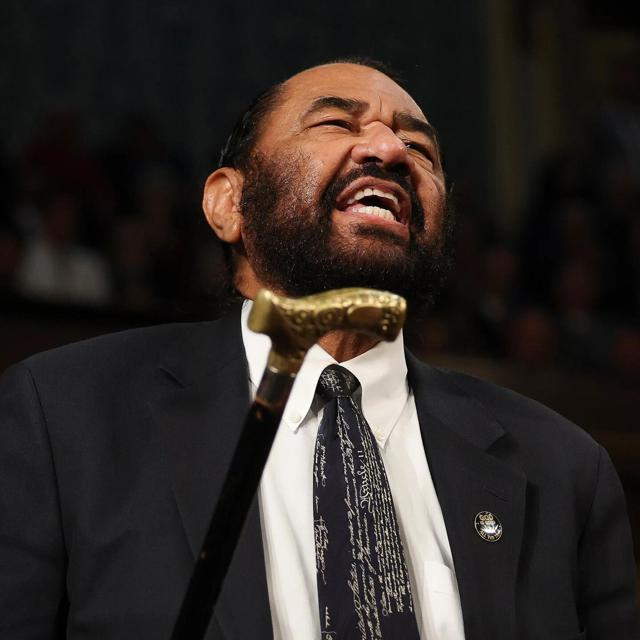
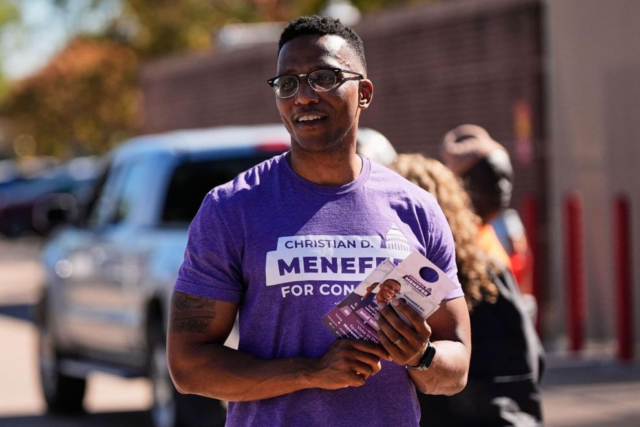
The most high-profile local result came out of Congressional District 18, where Congressman Christian Menefee decisively defeated longtime Congressman Al Green in one of the most closely watched Democratic runoffs in the country. Menefee secured nearly 70% of the vote in the newly redrawn district after months of attention surrounding the rare matchup between two Democratic incumbents.
But the significance of the race extended far beyond the final numbers.
For generations of Black Houstonians, Congressman Al Green has represented far more than elected office. He has long been viewed as one of the city’s most vocal and consistent political fighters, particularly when it came to challenging Donald Trump and Republican extremism long before it became politically convenient inside mainstream Democratic politics.
That legacy was clearly understood Tuesday night, including by Menefee himself.
Shortly after securing victory, Menefee released a statement honoring Green as “an icon” and praised his decades of “speaking truth to power” and putting “his body, his voice, and his career on the line.”
The statement struck the right tone.
Because while voters clearly embraced a new era of leadership, there was little appetite to disrespect a man many still consider one of Houston’s most important political figures.
Still, the result undeniably reflected a broader political shift.
Menefee, 38, represented younger leadership, visibility and political momentum following his recent special election win after the death of Congressman Sylvester Turner. Green, 78, represented institutional history, seniority and decades of advocacy deeply tied to Houston’s Black political legacy.
On Tuesday night, voters chose transition.
That same theme appeared again in one of the evening’s most significant local upsets.
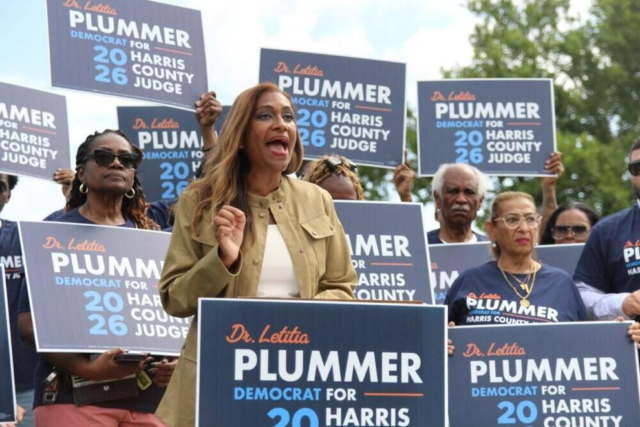
Letitia Plummer narrowly defeated former Houston Mayor Annise Parker in the Democratic runoff for Harris County Judge, setting up a November showdown against Republican Orlando Sanchez after Lina Hidalgo announced she would not seek reelection.
Politically, the result spoke volumes.
Parker entered the race with decades of name recognition, establishment credibility and one of the most recognizable political resumes in modern Houston history. She served multiple terms as Houston mayor and has remained a major figure in local politics long after leaving office.
And still, voters chose something different.
Plummer’s victory may have been one of the clearest indicators of where Democratic voters currently are mentally and politically. Across the country, voters increasingly appear less persuaded by institutional familiarity alone and more interested in candidates they believe feel connected to the urgency of the current political moment.
That same rejection of insider influence appeared in the Harris County District Clerk runoff.
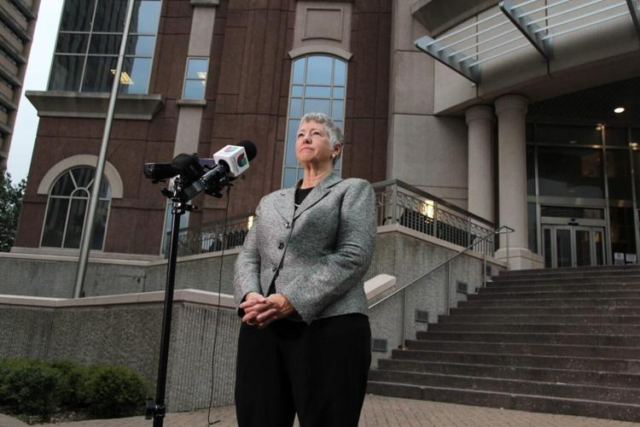
Despite receiving public backing from current Harris County District Clerk Marilyn Burgess, Alex Maldonado was decisively defeated by Darrell Jordan Jr., who secured more than 70% of the vote Tuesday night.
The race became particularly notable after Burgess publicly questioned Jordan’s understanding of the office and broke her previous position of neutrality in order to endorse Maldonado shortly before Election Day.
Voters were clearly not persuaded.
Jordan now advances to the general election against Republican Chris Daniel in November.
Meanwhile, in Fort Bend County, Dexter McCoy secured a commanding victory in the Democratic runoff for county judge and now advances to the general election against interim Republican County Judge Daniel Wong.
McCoy’s victory carries major implications beyond Fort Bend itself.
The county has increasingly become one of the state’s most important suburban political battlegrounds, and this race arrives amid ongoing controversy surrounding former County Judge KP George, questions surrounding Wong’s appointment and growing concerns from local Democrats about the increasing influence of Trump-aligned Republican politics in the county.
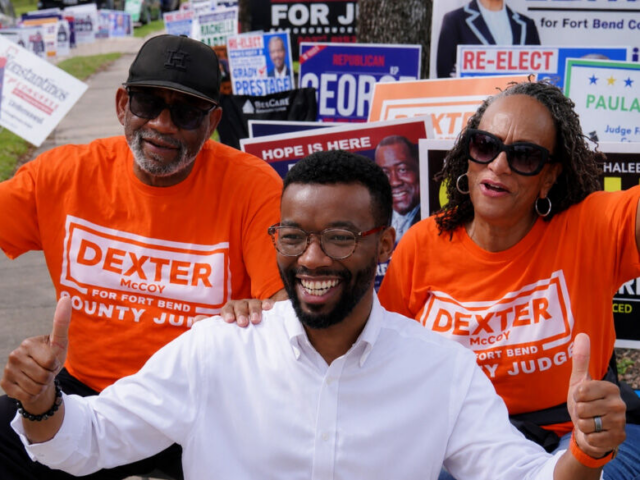
Even during Tuesday’s voting disruptions, McCoy remained publicly engaged online, encouraging residents to stay in line and continue voting despite widespread frustration at polling locations.
And while Houston-area voters largely leaned toward transition and newer political energy, the statewide Republican Senate runoff told an entirely different story.
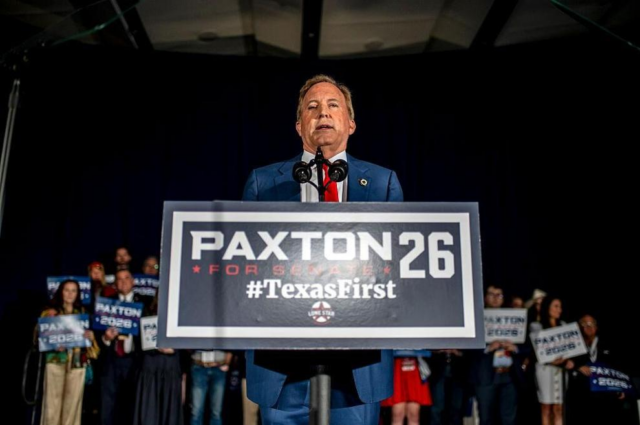
Attorney General Ken Paxton defeated longtime U.S. Senator John Cornyn in a stunning Republican runoff victory fueled heavily by Donald Trump’s endorsement and the continued dominance of MAGA politics inside the Republican base.
For many Texans, the result was alarming.
Paxton heads into November carrying years of scandal, corruption allegations, impeachment proceedings and ethics investigations behind him. Yet none of it appeared to significantly weaken his support among Republican primary voters.
That reality raises larger questions about the direction of Texas politics moving forward.
At some point, voters have to decide whether ethics, accountability and governing competence still carry weight in modern political life or whether partisan loyalty now overrides everything else.
Paxton will now face Democratic nominee James Talarico in what is expected to become one of the most closely watched Senate races in the country.
Now, attention shifts toward November.
Houston-area voters will decide who leads Harris County after the Hidalgo era, who represents Congressional District 18 moving forward and whether Fort Bend County continues its ongoing political transformation.
Statewide, Texans will decide whether Ken Paxton’s brand of politics belongs in the United States Senate.
But perhaps the clearest takeaway from Tuesday night is this:
What happened was not random.
Across multiple races, Houston-area voters showed a growing appetite for candidates they believe are more connected to the current political moment than candidates whose resumes alone once guaranteed victory.
At the exact same time, Texas Republicans moved even deeper into Trump-era political loyalty and grievance politics.
Those two realities now collide in November.